

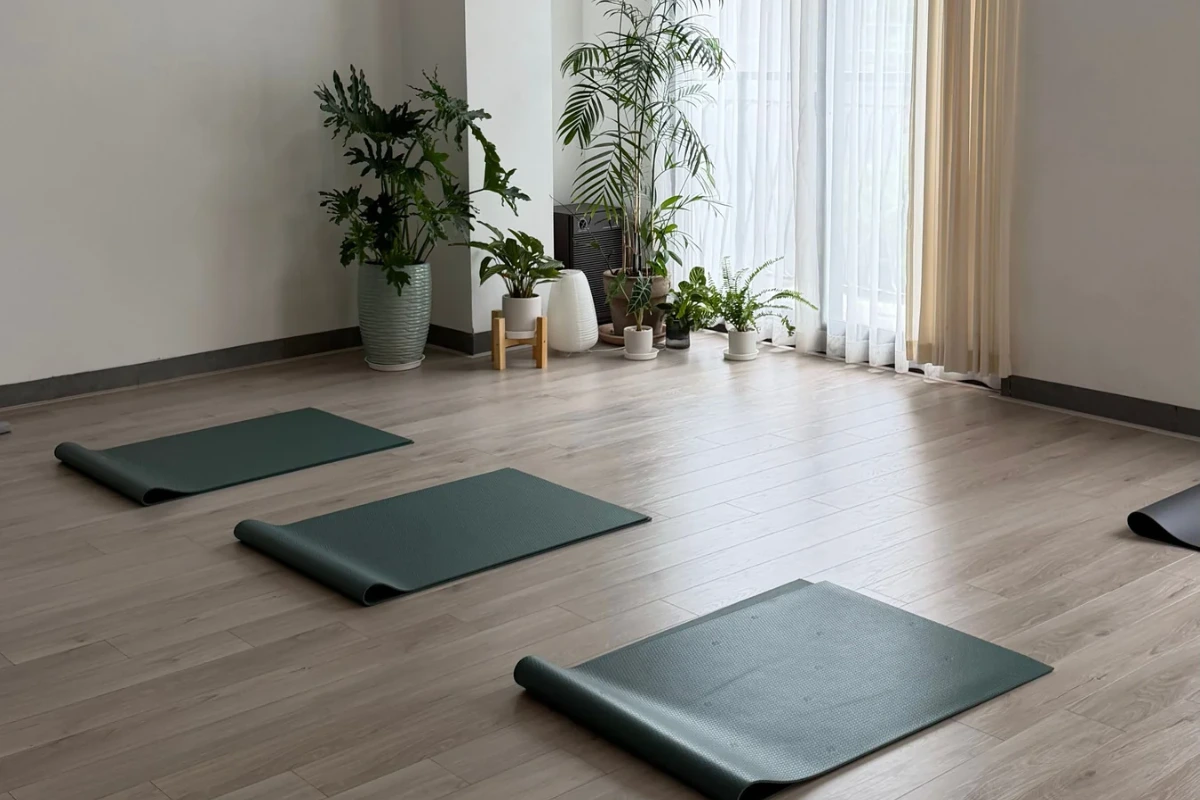
The simplest way to clean at home is to wipe it down after every yoga session with a dilute solution of water and white vinegar with a few drops of tea tree oil; then it must be dried completely before being rolled up. Hand washing once a month with a gentle soap is sufficient for a deep cleaning, rinse thoroughly and DO NOT put the mat in a washing machine or direct sunlight which can damage the mat over time.
A yoga mat soaks up more than sweat. It’s the remnants of every sun salutation, every long savasana, every inhale and exhale through a challenging posture. The residue accumulates over weeks of use—the oils, skin cells, bacteria, and the very light scent that signals that it’s time for attention. Proper yoga mat cleaning isn’t vanity. Maintenance is simply the quiet discipline that keeps any tool that has been used work properly.
Here are the steps you need to go through every day, including daily maintenance, deep cleaning, and the little things that will help your mat last for years instead of months. These principles remain the same, regardless of whether the mat is PVC, rubber, cork or TPE — gentle ingredients, patience and air.
Why Does a Yoga Mat Need Regular Cleaning?
One of the silent adversaries of porous material is sweat. The majority of yoga mats are created from PVC, rubber, cork or TPE and each has a unique texture that will trap moisture, oil and germs after your yoga session. When left unchecked, this accumulation causes odors, a slippery surface underfoot, and in humid climates, mold.
A neglected mat doesn’t only smell bad, it sucks! Grip fades. In the downward dog position, hands glide. The surface that used to hold firm during a hot vinyasa session begins to feel shaky, at the right moment.
Check out Our Yoga Teacher Training in India
What’s the Best Way to Clean a Yoga Mat After Every Practice?
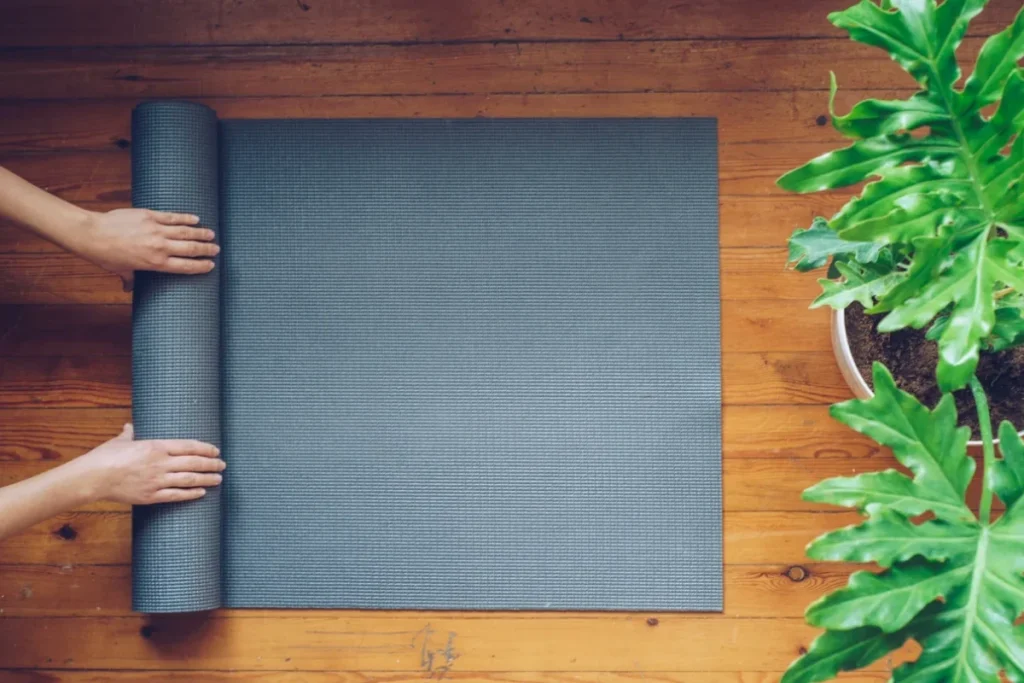
Most buildup is prevented by wiping down every day, which takes less than 2 minutes.
The simple solution: Use a spray bottle that contains 1 part white vinegar to 3 parts water. You can add two or three drops of tea tree oil or lavender oil, which both have antibacterial properties and have a light, clean fragrance as opposed to covering up an odour with a fragrance.
The process:
- Lightly spray solution over head of mat.
- Use a soft and clean cloth or microfiber towel.
- If it has come into contact with a studio floor flip the mat over and repeat the process on the other side if it’s necessary.
- Airtight, hang up or set out with your clothes to air dry before rolling.
This is the one habit that is most important if you’re curious about how to clean a yoga mat without harming it. A wet mat will collect moisture and this is exactly where mold and bacteria can grow.
How to Clean a Yoga Mat at Home for a Deeper Reset
A good hand wash is a monthly blessing (or more often for people who practice daily) for a mat.
What you’ll need:
- A bathtub, a large sink or a level outdoor area.
- A few drops of mild unscented soap (you can use castile soap)
- Lukewarm water
- Soft sponge or cloth
- A dry towel
Steps:
- Fill tub or basin with lukewarm water and a little soap.
- Dip the mat in or spread it out and sponge it on both sides.
- If areas are visibly soiled rub gently, especially if there are areas where hands and feet come into contact.
- Rinse well — soap residue can cause a mat to be sticky or slippery.
- Dry and press out excess water using a paper towel, and dry mat away from direct sunlight.
If a mat has begun to smell despite regular wipe downs, or hasn’t been wiped for several weeks of regular use, use this deeper method. A quick wipe is maintenance, a hand wash is restoration.
What Should You Avoid When Cleaning a Yoga Mat?
Not all cleaning techniques are appropriate for all materials and there are some common mistakes that can actually cause more damage than benefit.
- Avoid the washing machine. The majority of mats are not designed to be shaken and dried in the machine. Can cause distortion, peel away sticking layers or remove surface texture for traction.
- Avoid direct sunlight for drying. Sunlight will break down rubber and PVC over time and cause cracking and shorten their useful life. Instead use dry mats in the shade indoors.
- Avoid harsh chemical cleaners. Bleach, ammonia and strong-smelling products may compromise the surface of the mat and cause skin irritation if used. The simplicity and natural ingredients are effective without sacrificing anything.
- Avoid skipping the dry-out step. Even if the mat is washed thoroughly, it is an opportunity for mildew to grow when it is rolled up when it is still damp.
How Often Should You Clean a Yoga Mat?
If using the mat multiple times a week, a quick wipe down after each use and a thorough hand wash once a month will keep it in good shape. Persons that attend daily hot yoga and heated vinyasa classes may wish to wash weekly, as the heat can cause more sweat build-up and smell.
There is really no one right frequency; it’s a rhythm that matches the intensity of the practice or individual sensitivity to smell or residue.
A Clean Mat Supports a Clean Practice
Yoga requires presence, attention to the breath, to the position, to the discomfort of staying in a position for a few seconds past ease. A mat that is taken care of would fall out of the picture of this attention. One that’s not is a distraction: a smell, a slip, a thought to anything else but the practice itself.
When someone is taking their yoga practice beyond the mat, knowing how to build and maintain their yoga practice is only the beginning. Beginning with the basics of mat care, many practitioners delve into formal training such as a yoga teacher training or 200 hour yoga teacher training, where the practice of mat care steps into teaching and sequencing as well as the deeper philosophy of yoga.
Don’t expect a clean mat to instantly make a practice a good experience. However, it does take away one slight hurdle in between the practitioner and the quiet they are striving for — and it is two minutes after each class!
Frequently Asked Questions
How often should I wash my yoga mat?
After each use, wipe it down, and clean it in with a hand wash every month or so. If you are in hot yoga or perspiring a lot during your session, wash weekly to avoid accumulation of odor and bacteria.
Can I put my yoga mat in the washing machine?
No: Machine washing may cause warping, mat layers may be damaged and the texture which provides grip will be removed. For almost all mat materials hand washing is a safer choice.
What household items can I use to clean a yoga mat?
For daily wipe-downs, you can use a combination of water and white vinegar, and a few drops of tea tree or lavender oil. Mild soap that doesn’t smell is okay for monthly deep cleaning.
Why does my yoga mat smell even after cleaning?
If there is a smell that persists, the mat may not have been thoroughly dried before rolling it up, or there is soap soap residue on the mat as a result of the washing process. Rinse thoroughly and air dry before storing.
Is it bad to dry my yoga mat in the sun?
Direct sunlight can actually cause rubber and PVC to break down over time, leading to cracking and wearing out the mat. However, dry mats indoors or in shaded area.
Tags: how to clean a yoga mat | how do you clean a yoga mat | how to clean a yoga mat at home | how to clean a yoga mat manduka | how to clean a rubber yoga mat | how to wash a yoga mat in washing machine | how to clean a yoga mat naturally | how to clean a lululemon yoga mat | how to clean a yoga mat lululemon | how to deep clean a yoga mat


