

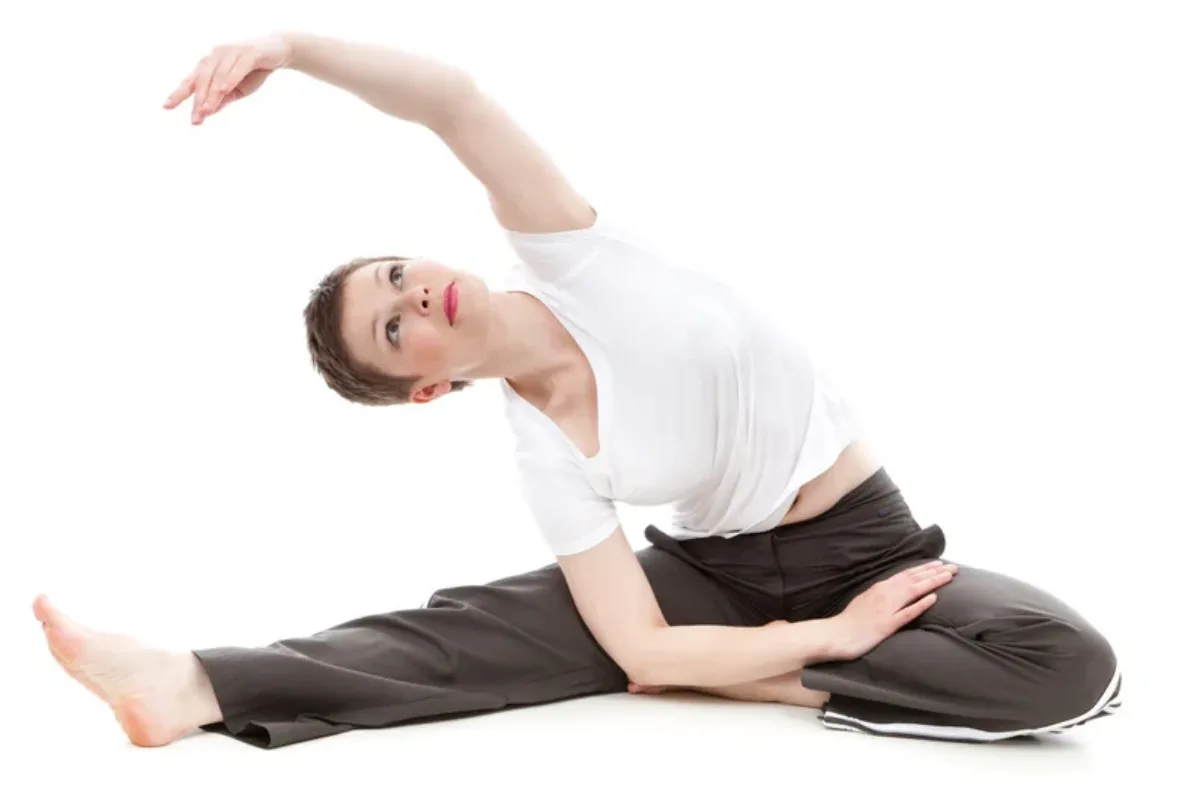
The mechanism of action of yoga for irregular periods is that it regulates blood flow to the pelvic area, lowers cortisol and balances the endocrine system which regulates menstrual cycles. In particular, yoga poses such as Supta Baddha Konasana, Bhujangasana, and Malasana work on the thyroid, uterus and ovaries for a period that is irregular. Medical treatments are not meant to replace regular practice time, which is 3-4 times per week and helps regulate hormones.
Millions of people have irregular periods and the causes can be stress, hormonal imbalance, polycystic ovory syndrome (PCOS). Yoga is not a substitute for a diagnosis. It is actually an effective and safe instrument that can be used to help the hormonal and nervous system functions that control your cycle.
In this guide, you will learn why yoga contributes to menstrual regularity, which poses target the reproductive system, and how to cultivate your own practice in a weekly manner that is complementary to — and not conflicting with — other tendencies your body may have.
Why does yoga affect your menstrual cycle?
Yoga reduces cortisol and activates the parasympathetic nervous system, which is the body’s ‘rest and digest’ system, thus influencing the menstrual cycle. Chronic stress increases cortisol, which affects the communication between your brain and ovaries – (hypothalamic-pituitary-ovarian or HPO axis) and disrupts this communication which affects your ovulation. If cortisol remains elevated for a prolonged period, that disruption may cause the ovulation to be delayed or not occur at all.
Yoga breaks this cycle in two ways. Slow postures with a pause and breathwork (pranayama) take the nervous system out of fight or flight. Targeted poses boost blood circulation to the pelvic organs, thus sustaining the ovarian and uterine function.
That’s why yoga for irregular cycles is more likely to include the restorative and hip opening positions and not the more intense ones. Restorative poses work on the nervous system, hip openers work on the circulatory system. They work together to solve two different mechanisms of irregularity during cycle.
Check out Yoga Teacher Training in Rishikesh
What are the best yoga asanas for irregular periods?
Best yoga asanas for irregular periods involves hip-opening poses, mild inversions and twists, which stimulate the reproductive organs and thyroid gland. Here are six ideas to start creating a sequence with.
1. Supta Baddha Konasana (Reclining Bound Angle Pose):

On your back, press the soles of your feet together and allow knees to fall open. This posture allows blood to flow to the uterus and the ovaries, opens the hips. Spend 5-10 minutes to support knees if necessary.
2. Bhujangasana (Cobra Pose):

Face down, lift chest off floor using palms, but do not lift pelvis. Cobra Pose activates the ovaries and stretches the abdominal area, helping to relieve tension associated with irregular periods.
3. Malasana (Garland Pose/Yogic Squat):
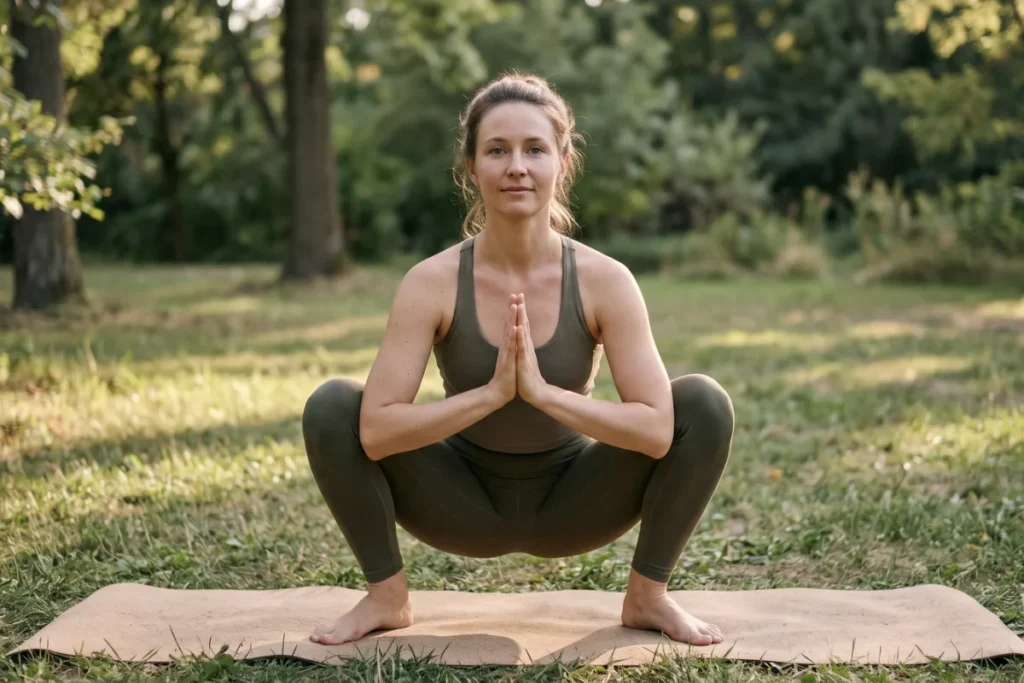
Squat with feet wider than hip-width apart and clasp palms at heart. Relaxes hips and pelvis, enhances circulation of reproductive organs.
4. Setu Bandhasana (Bridge Pose):

With your knees bent, raise your hips off the floor towards the ceiling lying on your back. Bridge Pose awakens both the thyroid and abdominal organs, both which are involved with hormonal balance.
5. Viparita Karani (Legs Up the Wall Pose):

Lie on your back with your legs up a wall. It’s one of the easiest poses for stress-related cycle irregularity because of the calming nervous system that the gentle inversion provides and the decrease in pelvic congestion.
6. Matsyasana (Fish Pose):

Lie on your back, lift your chest upward and place the crown of your head lightly on the floor. Fish Pose stretches the throat and activates the thyroid gland and, consequently, the regulation of menstruation, where it is underactive or overactive.
Try to maintain the pose for 5 slow breaths at a time (20-30 minutes total of practice per week, 3-4 times).
How can yoga for period cramps reduce pain during menstruation?
Yoga for period cramps helps to decrease the pain due to the relaxation of uterine muscles, which leads to improved blood flow, thereby reducing the uterine contractions that cause cramps. Both Balasana (Child’s Pose) and Supta Matsyendrasana (Reclining Twist) gently press the abdomen while releasing tension; this is beneficial as long as it is not straining any sensitive muscles.
If severe cramps occur, then restorative poses are more advised than deep yogas during period time. High-intensity core training and deep backbends may lead to cramping; therefore, be sure to work with comfort and gentle movements in the first two days of your cycle and then add a full sequence once symptoms have subsided.
How often should you practice yoga to see changes in your cycle?
You should practice yoga 3-4 times a week, for no less than three menstrual cycles before seeing any significant results. Hormonal changes occur slowly and over time, the HPO axis needs to adjust. While a single period is not enough to control an irregular cycle, consistency for months will make a difference.
Use a period tracking app or a calendar to follow your practice and your cycle. This helps you to visualize what’s happening: Is your cycle type getting shorter? Is the period during which you’re ovulating more regular? Do your symptoms—such as cramping and bloating—feeling better? If there is no improvement after three complete cycles, it is important to note this fact and share it with a doctor rather than drop the practice.
When should you see a doctor instead of relying on yoga alone?
If any of the following apply to you, see a doctor: If your period is missed for more than 3 months, if bleeding is more than usual, or if bleeding disorders are accompanied by high levels of pain, weight gain or weight loss, or excessive hair growth. They may indicate other health issues that need medical diagnosis and treatment such as PCOS, thyroid disorder, fibroids, or endometriosis.
If your irregularity is mild, with no serious implications, and associated to stress, travel or life change, consider practicing yoga as an adjunct. If irregularity is both severe and sudden, or if it comes with other symptoms, use medical evaluation as a first step; yoga may be supportive to your program or treatment, but not delay it.
Build a Practice, Not Just a Pose List
Look at yoga as an additional step in a comprehensive strategy for hormonal health. So asanas for irregular periods, consistent sleep and stress management, as well as reducing the amount of caffeine, all have an impact on the HPO axis, and cannot be done separately. Do the above sequence three times per week for three months, listen to your body and then make changes accordingly.
Frequently Asked Questions
Can yoga alone fix irregular periods?
While yoga can help regulate hormones and relieve stress-related irregularity, it will not cure irregularity related to a medical issue such as PCOS or hyper or hypothyroidism. Practice yoga in conjunction with medical treatment not as a treatment for a diagnosed condition.
How long does it take for yoga to regulate periods?
After about three to four months of regular practice (usually 3-4 sessions per week), people with irregular periods can expect to see some changes. Hormonal systems changes slowly; inconsistent short term changes generally do not produce results.
Is it safe to do yoga during your period?
Yes, gentle yoga during menstruation is safe, and it can help with reducing cramps and bloating. Try to avoid deep core poses and intense inversions on the days when flow is heavy and instead stick to restorative poses such as Child’s Pose and Legs-Up-the-Wall.
What causes irregular periods besides stress?
Irregular periods may be caused by PCOS, thyroid problems, too much exercise, rapid weight loss or weight gain, or perimenopause. If the irregularity doesn’t improve with lifestyle changes, a doctor can perform blood work to determine the exact cause.
Are there poses to avoid with irregular periods?
Try not to approach deep headstands or uplifts while bleeding a lot as this may worsen pelvic congestion. Rather, opt for supported and easy modifications (particularly in the first two days of your cycle).
Learn to know more so you can visit best yoga school
Tags: yoga for irregular periods | yoga for period | yoga for period cramps | yoga asanas for irregular periods | yoga for irregular menstrual cycle | yoga irregular periods | irregular periods yoga | yoga for irregular periods and pcos | irregular periods yoga for hormonal balance | yoga poses for irregular periods | yoga for inducing period | hormonal imbalance yoga for irregular periods and pcos | irregular periods pcod problem yoga for pcod | best yoga for irregular periods | yoga to cure irregular periods | best yoga for irregular period | yoga for irregular periods for beginners | yoga exercises for irregular periods


